A Hotel More Than a Century in the Making
At Hotel Ursa, you are staying in the very rooms where 19th-century scientists made pioneering discoveries, where the state's first natural history museum captivated early scholars, and where the legacy of the University of Maine was forged into what it is today.
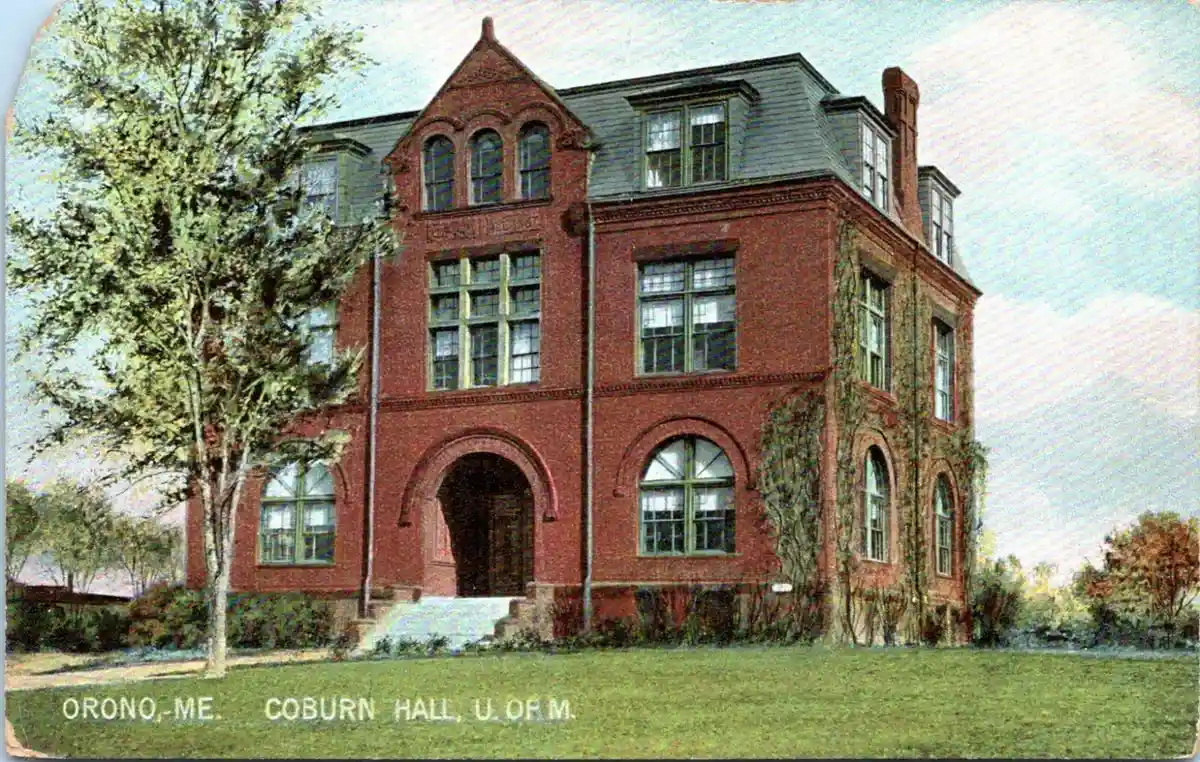
When you walk through the soaring arched entryways of the original Coburn and Holmes Halls—both built between 1887 and 1888 in the magnificent Romanesque Revival style—you are stepping into about 140 years of untamed curiosity. Today, these historic academic halls have been masterfully transformed into a boutique hotel, offering guests the chance to sleep in a preserved piece of American history.
If these walls could talk, here is what they would tell you:
Coburn Hall: A Chapel, a Museum, and 10,000 Books
Our story begins in the late 1880s
Built in 1887, when the University of Maine was still known as Maine State College, Coburn Hall housed an extraordinary cross-section of 19th-century campus life. The very spaces that now feature luxurious beds and soaring tin ceilings once held botanical laboratories, a third-floor chapel, and even the college president's office tucked away in the basement.
According to an 1897 university report, Coburn Hall also housed a two-story natural history museum filled with fossils, minerals, and preserved specimens, alongside a library containing more than 10,000 books. Students could borrow just two books at a time, with overdue returns carrying a fine of two cents per day.
The museum collections are long gone, but a few pieces of Coburn Hall's history still remain hidden in plain sight. You just have to know where to look:
The 1887 Mistake Set in Stone
Take a closer look at the sandstone inscription reading "Coburn Hall 1887" on the building's facade. Notice anything unusual? The lettering was accidentally carved across two different stone finishes. By the time the mistake was discovered, the stones were already installed. Rather than replace them, the university trustees decided to leave the inscription exactly as it was. Nearly 140 years later, the mistake remains.
The Ivy Day Tradition, Preserved in Marble
Keep an eye out for Coburn Hall's original Ivy Day plaque, a surviving reminder of a 19th-century campus tradition. Each year, graduating seniors planted ivy and placed commemorative stones on university buildings to mark their class's legacy. More than a century later, this marble plaque still stands as a reminder of the students who walked these halls long ago.
Holmes Hall: Where Maine’s Scientific Legacy Took Root
Before it welcomed travelers, Holmes Hall was a place of radical scientific discovery. Funded by the Hatch Act of 1887, it was originally built as an agricultural experiment station and became the very first dedicated home for the university’s Chemistry Department.
For decades, these halls echoed with the sounds of beakers, pilot plant machinery, and food science research that directly shaped Maine’s agricultural industry.
Sip Coffee in a 1955 Laboratory
When you grab your morning coffee at MajorMinor Café, you are standing in what was once the campus laboratory.
The Campana Elm
The custom furniture inside Holmes Hall was crafted from trees grown and harvested on the UMaine campus. This includes wood from the historic Campana elm, a 116-year-old tree that survived a Dutch elm disease thanks to pioneering university research conducted right here on campus before naturally decaying in 2022.
The Experiment Station
Look above the building's entrance as you walk in; the words "Experiment Station" remain proudly carved in the stone, exactly as they were over a century ago.
As the University Grew, So Did Its Halls
Holmes Hall was barely a decade old before it began outgrowing its own walls. As Maine State College expanded its scientific research, new wings were added in 1899 and again in 1904 to make room for the growing demands of discovery. What began as an agricultural experiment station in 1888 grew into an increasingly important center of research, with the building itself becoming a physical record of the university's expanding ambitions.
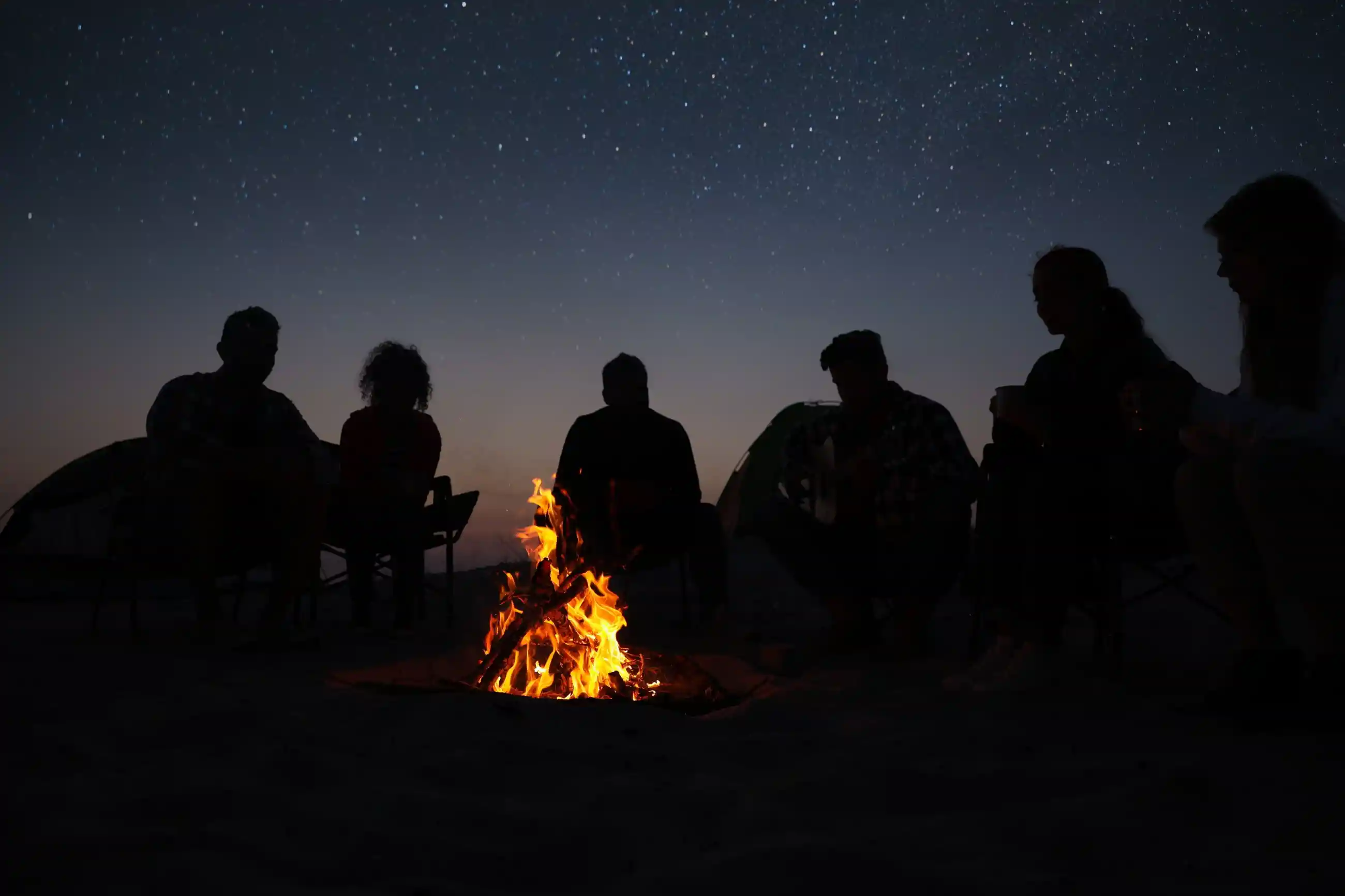
Centuries Apart, Under the Same Night Sky
Joined by the more recently constructed Polaris Hall, Hotel Ursa unites its 95 guest rooms under a name inspired by the Greater and Lesser Bear constellations (Ursa Major and Ursa Minor) and UMaine’s Black Bear heritage.
In our lobby, you will find two depictions of the night sky over Orono: one from 1888 when these halls first opened their doors, and one from 2024 when they welcomed their first hotel guests.